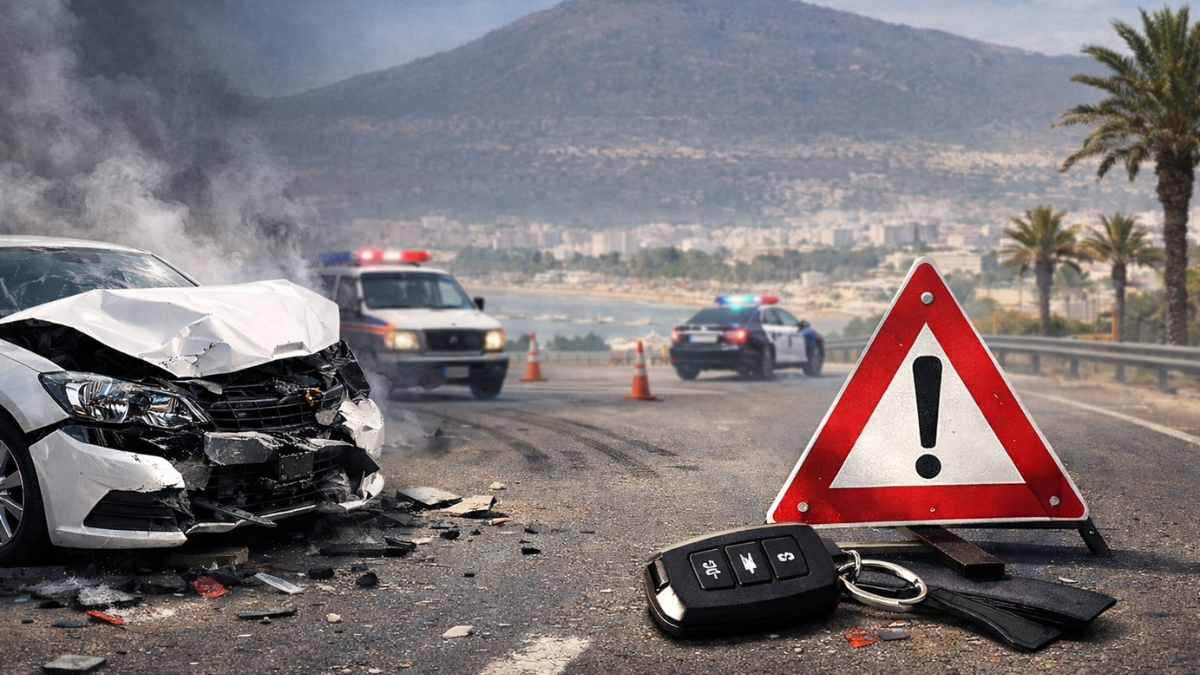
A small crash in Agadir can turn into a big headache if you do the wrong thing in the first half hour. With a rental car, the goal is simple: keep everyone safe, document the scene properly, and protect your insurance coverage. This guide gives you a clear timeline you can follow under stress, no guessing, no overthinking.
Table of contents
- The first 2 minutes: safety and positioning
- Minutes 3–7: check injuries and make the right calls
- Minutes 8–15: photos that actually protect you
- Minutes 16–22: exchange details without saying the wrong thing
- Minutes 23–30: paperwork, next steps, and what to avoid
- Special situations: parking scrapes, scooters, and fender-benders
- What the rental company usually needs
- FAQ
1) The first 2 minutes: safety and positioning
1. Stop, breathe, and secure the scene.
- Turn on hazard lights immediately.
- If you have a warning triangle, place it at a safe distance (only if it’s safe to walk).
- Look around: traffic, scooters filtering, buses, blind curves.
2. Decide whether to move the car.
- If the car is creating danger (blocking a lane, a roundabout entry, or a fast road), move it to the nearest safe shoulder or parking bay only if the vehicle is drivable and no one is seriously injured.
- If there are injuries, or you suspect the crash is serious, keep the vehicles where they are unless you’re in immediate danger.
3. Get everyone out of harm’s way.
If you’re on a fast road, stand behind a barrier or away from traffic. Keep kids close. Safety first, paperwork later.
2) Minutes 3–7: check injuries and make the right calls
1. Quick injury check (you + passengers + others).
Adrenaline hides pain. Ask simple questions: dizziness, neck pain, heavy bleeding, trouble breathing. If anything feels “not right,” treat it as real.
2. Call emergency services when needed.
In Morocco, the common emergency numbers are:
- Police: 19
- Ambulance: 150
- Fire: 15
- Gendarmerie (often outside cities / rural roads): 177
If you’re unsure, call police. If there’s injury, call ambulance first.
3. First aid basics (only what’s safe).
Don’t attempt anything risky. The priority is scene safety and basic assessment. If you want a reliable reference for what to do right after an incident, see NHS first aid after an accident.
3) Minutes 8–15: photos that actually protect you
This is where most travelers mess up. “A few pictures” isn’t enough. You want a complete story that an insurer can understand without you talking.
Take photos in this order:
- Wide shots: both vehicles, the full road, lane markings, nearby junction/roundabout, and where the cars ended up.
- Angles: front-left, front-right, rear-left, rear-right of each vehicle.
- Damage close-ups: scratches, dents, broken lights, bumper corners, mirrors.
- Context: skid marks, debris, potholes, parked cars, visibility issues, road signs (if any).
- License plates (clear), and driver documents with consent (license, insurance card).
- Inside your rental if relevant: airbags deployed, warning lights, dashboard messages.
Record a 10–20 second video walking around the scene. It captures distance and positioning better than still photos.
Write 3 notes on your phone:
- Time of accident
- Exact location (Google Maps pin)
- Weather + road condition (dry/wet, glare, night)
4) Minutes 16–22: exchange details without saying the wrong thing
You need information, not arguments.
Exchange:
- Full name + phone number
- Driver license details
- Vehicle plate number
- Insurance info (company + policy details if shown)
- If the driver isn’t the owner, note the owner name too
What not to say (important):
- Don’t admit fault on the spot.
- Don’t argue about “who’s right.”
- Don’t promise to pay cash “to finish it now,” especially if the other party pressures you.
Use neutral language: “Let’s document everything and follow the correct process.”
5) Minutes 23–30: paperwork, next steps, and what to avoid
1. Get an official report when required.
You generally want a police report when:
- Someone is injured
- There’s major damage
- A driver refuses to share details
- You suspect intoxication or aggressive behavior
- A scooter/motorbike is involved (often escalates quickly)
- There’s a dispute about what happened
2. Complete an accident statement if available.
Many rentals include (or can provide) a standard accident form/statement. If you have one, fill it calmly with the other party. Only write facts: location, direction of travel, visible damage. Add a simple sketch.
3. Call the rental company immediately.
Even if you think it’s minor, call right away. Rentals often require prompt notification for insurance coverage. Tell them:
- Location pin
- If anyone is injured
- If the car is drivable
- If police are on the way
- Photos taken + other driver details collected
4. Don’t repair or tow without approval.
A “helpful” tow truck or a random garage may suggest quick fixes. Wait for rental instructions unless it’s an immediate safety hazard.
5. Secure the keys + documents.
Keep the rental contract, your ID, and keys together. Take a photo of the rental agreement page that shows the vehicle and your contract number (if present).
6) Special situations in Agadir
Parking scrape (no other driver present):
- Photograph the damage, the parking spot, and surroundings.
- Ask nearby shop/parking staff if anyone saw it.
- Call the rental company. Don’t “hide it” and hope it disappears, this can backfire.
Scooter or motorbike involved:
- Prioritize injury check.
- Avoid arguments; document everything.
- Police report is usually the safest route.
Tiny bump at a roundabout:
- Roundabouts are common accident zones.
- Take extra photos of lane markings and entry/exit angles, these details matter later.
7) What the rental company usually needs
To keep things smooth, prepare to send:
- Clear photos (scene + damage + plates)
- Other driver’s details
- Location pin + time
- Police report reference (if made)
- Your contract number + car details
- A short written summary (5–7 lines, facts only)
If you want a simple reminder on scene safety and first steps, the American Red Cross first aid steps is also a solid reference.
FAQ
1) Should I always call the police for a minor rental car accident in Agadir?
If there’s any dispute, injury, scooter involvement, or refusal to share details, yes. For very minor damage with full cooperation, follow your rental company’s instructions.
2) Can I move the rental car after the accident?
If the car is drivable and moving it improves safety, yes. If there are injuries or serious damage, keep vehicles in place unless you’re in immediate danger.
3) What if the other driver wants cash on the spot?
Avoid it. Cash settlements can create bigger problems later (claims, disputes, missing documents). Document everything and follow the proper process.
4) What photos matter most for insurance?
Wide shots showing positioning and lane markings, clear plates, and close-ups of damage from multiple angles, plus a short video walkaround.
5) What if I feel fine but later get pain?
Get checked. Pain can show up later after adrenaline fades, especially with neck and back strain.
6) Will the rental company replace the car the same day?
It depends on damage and availability, but quick reporting + strong documentation is what makes replacements and claims faster.