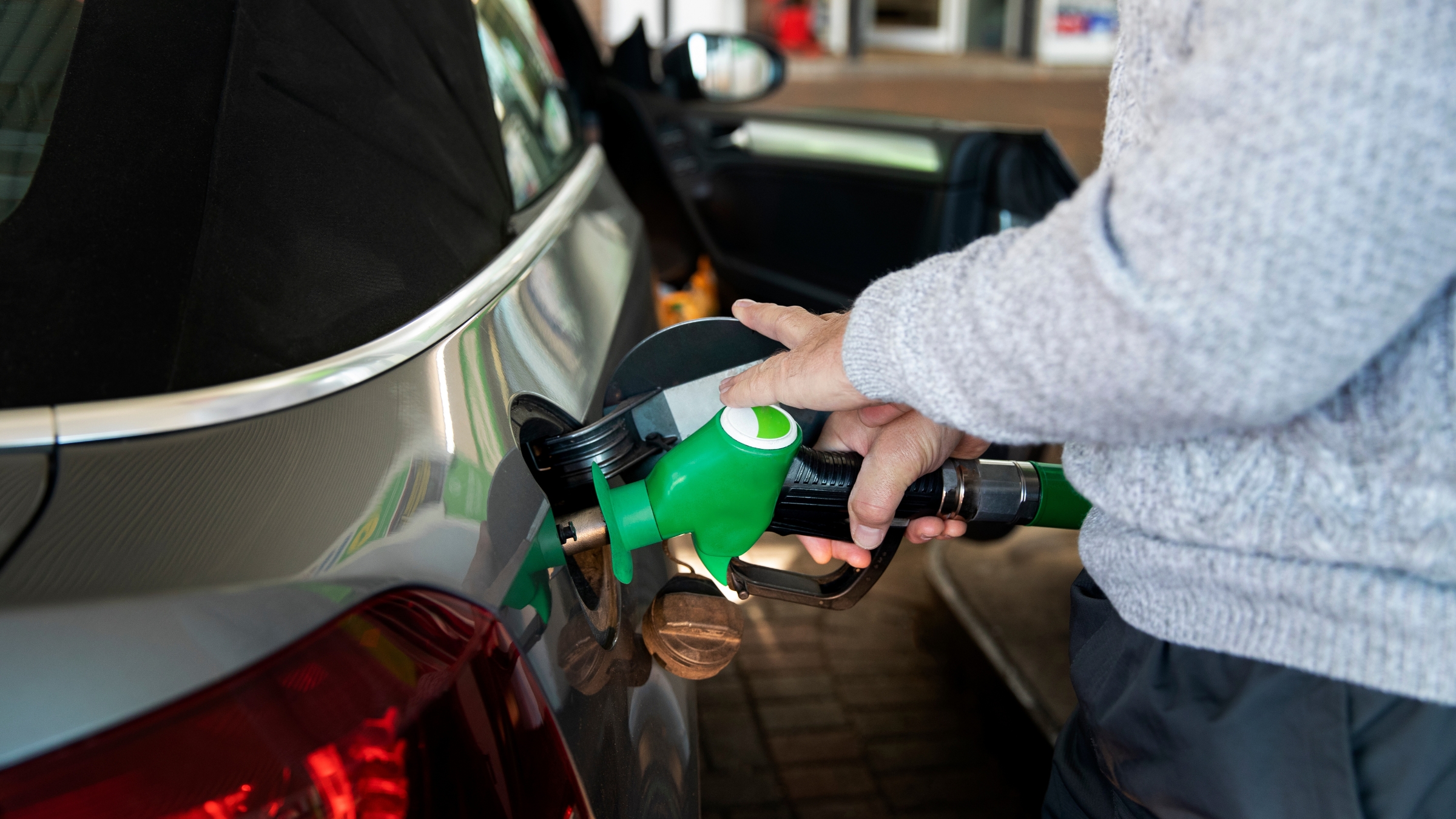
Fuel policy is one of those “small” details that can quietly change the total cost of your Agadir car rental, especially if you’re picking up at Agadir Al Massira Airport (AGA), returning after a long beach day in Taghazout, or doing a quick loop to Paradise Valley and back. The daily rate might look great, but if you misunderstand the fuel rules, you can end up paying premium refuel charges or arguing about whether the gauge was “really full.”
In Agadir, the two most common policies you’ll see are:
- Full-to-Full: you collect the car with a full tank and return it full.
- Same-to-Same: you collect it with a marked level (often not full) and return it at the same level.
Both can be fair, if you know how to handle them. Here’s the practical, traveler-friendly breakdown.
Table of Contents
- Quick answer: which fuel policy is cheaper in Agadir?
- What “Full-to-Full” really means
- What “Same-to-Same” really means
- The hidden risk: fuel gauge “almost full” arguments
- Airport vs city returns in Agadir: why timing matters
- What to do at pickup (2-minute checklist)
- What to do before return (the no-penalty routine)
- Which policy is best for 3-day vs 7-day trips
- FAQs
1) Quick answer: which fuel policy is cheaper in Agadir?
For most tourists, Full-to-Full is usually the cheapest and cleanest because you only pay pump price for what you use, and you avoid “refuel service” markups.
Same-to-Same can be convenient on very short rentals or late-night returns, but you must document the starting level well, because matching “three-quarters” precisely can be tricky.
If you want a consumer-rights style overview of how fuel policies are commonly defined (and why “full return full” is generally considered the clearest option), the European Consumer Centres Network summarizes the main fuel-policy types here: https://www.eccnet.eu/consumer-rights/what-are-my-consumer-rights/travel-and-passenger-rights/road-travel-rights/car
2) What “Full-to-Full” really means
Full-to-Full is simple in theory:
- You receive the car with a full tank.
- You return it full.
- If you return it below “full,” you can be charged for fuel plus an extra refueling/service fee.
In Agadir, Full-to-Full is usually the best policy when you:
- plan to drive a decent amount (Agadir + Taghazout + day trips)
- want the easiest “no surprises” outcome
- prefer to refuel once near the end and be done
The key detail: “Full” needs to be verifiable. Many cars show “full” on the gauge even if the tank is slightly under, so the safest approach is to treat Full-to-Full as “full on gauge + documented at pickup + refuel close to return.”
3) What “Same-to-Same” really means
Same-to-Same means:
- The car is handed over with a specific fuel level (for example: 1/2, 3/4, or 7/8).
- You must return it at that same level.
This policy is common when:
- the car wasn’t refueled to full before delivery
- the rental is short and the company wants faster turnaround
- airport deliveries happen back-to-back and the tank level varies by vehicle
The advantage in Agadir: you don’t have to hunt for a station to reach “full” right before returning.
The downside: matching a gauge level exactly is harder than it sounds.
Same-to-Same is easiest when your plan is:
- short city driving
- minimal mileage
- flexible return timing (so you can correct the fuel level if needed)
4) The hidden risk: fuel gauge “almost full” arguments
This is where most tourist frustration comes from, especially at airport returns.
Two common situations:
- You pick up at “full” but it’s not truly full.
- You refill but the needle doesn’t hit exactly where you expect.
Fuel gauges are not laboratory instruments. On some cars:
- the needle moves slowly near the top
- “full” can display even if the tank is slightly below full
- after refueling, it may take a few minutes of driving for the reading to stabilize
Your protection is documentation:
- photo of the gauge at pickup
- photo of the gauge at return
- keep the fuel receipt from your last fill-up
This isn’t about being paranoid, it’s about removing ambiguity.
5) Airport vs city returns in Agadir: why timing matters
Agadir returns often fall into two patterns:
AGA Airport return (time pressure)
Airport returns can be rushed:
- you’re thinking about your flight
- traffic or parking can add stress
- you may refuel “too close” and still worry about the gauge
With airport returns, Full-to-Full is still great, but you need a simple routine (see section 7).
City/hotel return (more flexible)
City returns are often calmer:
- you can refuel earlier
- you can recheck the gauge and adjust if needed
- you’re less likely to be rushed into a disagreement
Same-to-Same can work well here if you’re careful with the starting level documentation.
6) What to do at pickup (2-minute checklist)
Whether you’re picking up at AGA or in Agadir city, do this:
- Photograph the fuel gauge (make sure the needle/level is clearly visible).
- Ask them to mark the fuel level on the contract (Full, 7/8, 3/4, etc.).
- Confirm the policy in one sentence: “Full-to-Full or Same-to-Same?”
- Ask what happens if you return below the required level (fuel cost + service fee is common).
- Note the nearest practical refuel plan for your return day (don’t wait until the last minute).
That’s it. Two minutes now can save you money later.
7) What to do before return (the no-penalty routine)
If you’re on Full-to-Full
- Refuel not at the very last second, but close enough that you’ll return with a “full” reading.
- Keep the receipt.
- Take a quick photo of the gauge after refueling (or at return).
A general consumer guideline is that many rental companies require the car back with a full tank, and if you don’t, you can be charged the rental company’s fuel price (often higher than the pump). The U.S. Federal Trade Commission explains this concept in plain terms here: https://consumer.ftc.gov/articles/renting-car
If you’re on Same-to-Same
- Use your pickup photo as your “target.”
- Top up in small increments if you’re below the mark.
- Don’t try to “over-correct” by filling to full unless you’re sure it won’t cause a dispute (some companies don’t care if you return more, others still want the exact marked level).
8) Which policy is best for 3-day vs 7-day trips in Agadir?
3-day trip (city + one day trip)
- Full-to-Full is usually easiest if you don’t mind one refuel before return.
- Same-to-Same can be fine if the starting level is clear and you’re not rushing to a flight.
7-day trip (Agadir + Taghazout + Paradise Valley + exploring)
- Full-to-Full is usually the winner because you’ll definitely buy fuel during the week, and you don’t want a fuzzy “return at 7/8” debate after a long trip.
- You also get better cost control: you’re paying regular pump prices, not “fuel + service fee.”
FAQs
Is Full-to-Full always cheaper in Agadir?
Usually, yes, because it avoids refueling service fees and lets you buy fuel at normal prices.
What if I pick up the car and it’s not truly full?
Photograph the gauge immediately and ask them to note the actual level on the contract.
What if I refuel and the gauge still doesn’t show full?
Drive a short loop and recheck (some gauges update after a little driving). Keep the receipt and take a photo.
Is Same-to-Same risky?
Not if you document the starting level clearly and return with the matching level. The risk is mostly “ambiguous gauge” + “no photos.”
Should I keep fuel receipts?
Yes, especially your final refuel receipt. It’s quick proof if there’s a question.