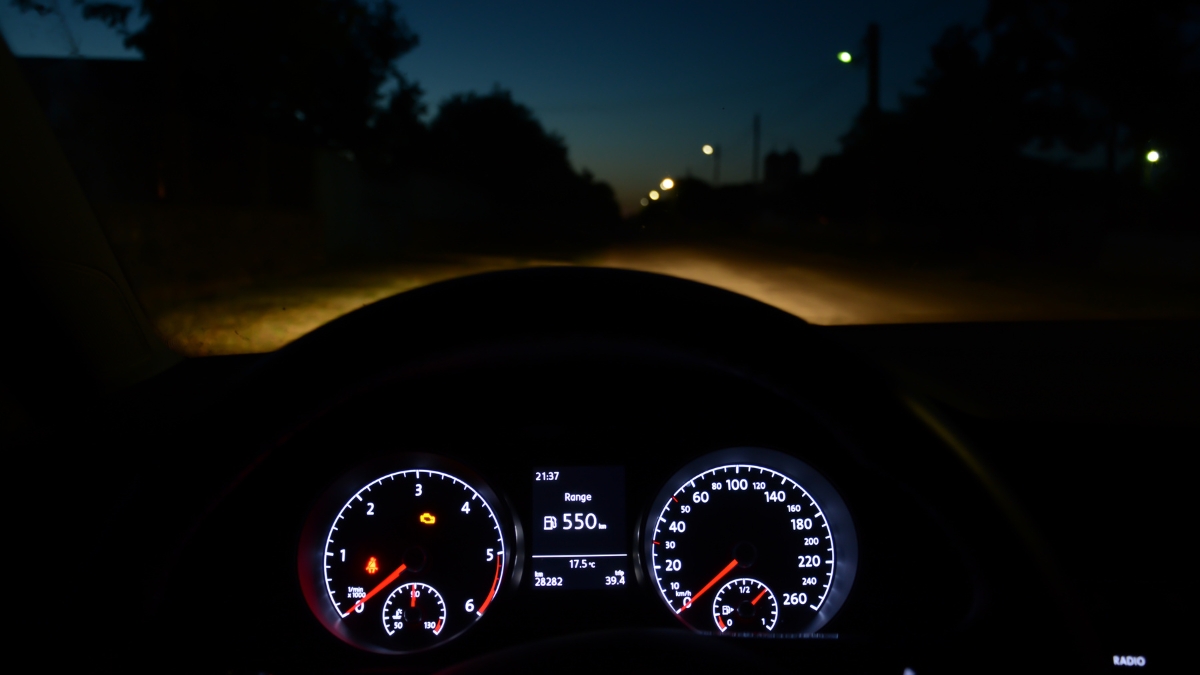
Driving at night in Agadir can be calm, scenic, and efficient, but only if you understand how local lighting, road signs, and driving habits change after dark. Whether you’re returning from Taghazout, heading toward Agadir Al Massira Airport, or driving along the coastal road at night, knowing what to expect helps you stay safe and confident.
This guide explains how night driving works in and around Agadir, what road signs and lighting really mean, and how to adapt your driving style to Moroccan road conditions after sunset.
Table of Contents
- Is Night Driving in Agadir Safe?
- Street Lighting in Agadir: What to Expect
- Understanding Road Signs at Night
- Pedestrians, Motorbikes, and Animals After Dark
- Driving on Coastal and Suburban Roads
- Weather Effects on Night Visibility
- Police Checks and Night Controls
- Car Setup Checklist Before Night Driving
- Practical Safety Tips from Local Drivers
- Final Advice for Visitors Driving at Night
1. Is Night Driving in Agadir Safe?
Yes, night driving around Agadir is generally safe, especially within the city center, Marina, Founty, and main boulevards. Traffic is lighter, temperatures are cooler, and congestion drops significantly compared to daytime hours.
That said, once you leave the central districts, road conditions can change quickly. Reduced lighting, unexpected crossings, and rural traffic require more attention and a defensive driving style.
2. Street Lighting in Agadir: What to Expect
Agadir is one of Morocco’s better-lit cities, particularly on major roads such as Avenue Hassan II, the Corniche, and near tourist zones. Roundabouts and intersections usually have clear illumination.
However, lighting is not uniform everywhere:
- Suburban roads may have long dark stretches
- Streetlights can be spaced far apart
- Temporary roadworks may lack proper lighting
According to international road safety visibility guidance published by the World Health Organization, reduced lighting significantly increases reaction time and stopping distance, especially in urban environments at night:
https://www.who.int/teams/social-determinants-of-health/safety-and-mobility/road-safety
Always adjust your speed to what you can clearly see ahead, not to the posted limit alone.
3. Understanding Road Signs at Night
Moroccan road signs follow international standards and are generally easy to recognize. Most speed-limit, stop, and directional signs use reflective materials that remain visible at night.
That said, drivers should be cautious with:
- Older signs on secondary roads
- Temporary construction signage
- Faded road markings
Roundabouts are common in Agadir, and signage may be minimal. Local drivers rely heavily on anticipation rather than strict lane discipline, so slowing down and observing traffic flow is essential after dark.
4. Pedestrians, Motorbikes, and Animals After Dark
One of the biggest risks when night driving around Agadir is unpredictable road users.
Common situations include:
- Pedestrians crossing outside marked zones
- Motorbikes with weak or missing lights
- Stray dogs near beaches, industrial zones, or village roads
On roads toward Taghazout, Tamraght, or rural areas south of Agadir, animals may appear suddenly, especially near curves.
According to Michelin’s road safety guidance, unexpected obstacles combined with low visibility are a leading cause of night-time collisions, making reduced speed and increased awareness critical:
https://www.michelin.com/en/road-safety/
5. Driving on Coastal and Suburban Roads
Coastal Roads
- Humidity can create glare on the windshield
- Wind may carry sand onto the road
- Curves are sometimes sharper than expected
Suburban Roads
- Limited or no street lighting
- Narrow lanes and worn markings
- Parked vehicles without reflective indicators
Using high beams carefully and slowing down in dark zones makes a major difference in reaction time.
6. Weather Effects on Night Visibility
Although Agadir has a mild climate, night driving conditions can still change quickly.
Common issues include:
- Coastal fog late at night or early morning
- Moist air reducing contrast
- Light rain making road paint harder to see
When visibility drops, increase following distance and avoid sudden braking or lane changes.
7. Police Checks and Night Controls
Police checkpoints are normal and routine in Agadir, especially at night.
Drivers may be asked for:
- Driving license
- Passport or ID
- Rental car documents
These checks are usually quick and professional. Slow down early, keep documents accessible, and follow instructions calmly.
8. Car Setup Checklist Before Night Driving
Before heading out at night, especially outside the city, make sure:
- Headlights and brake lights are working
- Windshield and mirrors are clean
- Tires are properly inflated
- Fuel level is sufficient
- Emergency contact numbers are saved
A properly prepared car significantly reduces night-driving stress.
9. Practical Safety Tips from Local Drivers
Local drivers in Agadir typically:
- Slow down at every roundabout
- Expect late merges
- Use brief headlight flashes as warnings, not aggression
- Avoid overtaking on dark or narrow roads
Adopting these habits helps you blend into local traffic flow and avoid misunderstandings.
10. Final Advice for Visitors Driving at Night
Night driving around Agadir can be smooth and enjoyable if you stay alert, reduce speed, and respect local driving patterns. The city’s main roads are well maintained, but conditions change quickly outside central areas.
For visitors, understanding lighting conditions, road signs, and nighttime behavior makes evening drives safer and more comfortable, whether you’re returning from the coast or heading to the airport.