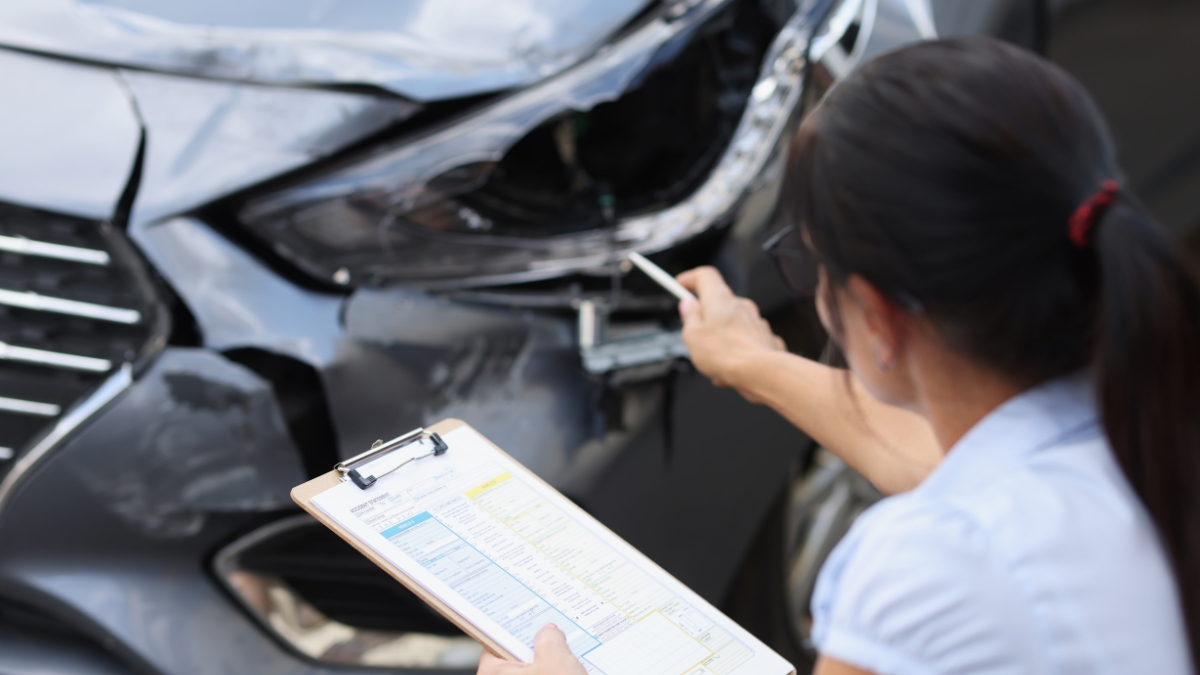
Renting a car in Agadir is one of the easiest ways to enjoy the coast at your own pace, Taghazout sunsets, the marina, Souk El Had errands, and day trips that taxis make expensive. But there’s one topic that makes many drivers nervous: “damage” at return time. What counts as chargeable damage? What’s normal wear? And how do you protect yourself without overthinking every tiny mark?
This guide explains how damage is typically assessed in Agadir rentals, what often triggers charges, what usually doesn’t, and the simple steps that prevent misunderstandings.
Table of contents
- The difference between “damage” and normal wear
- What usually counts as chargeable damage
- What usually doesn’t count (fair wear and tear)
- Agadir-specific “gotchas” (sand, salt air, city parking)
- The 7-step inspection routine that saves you money
- FAQs
The difference between “damage” and normal wear
Most rental checks revolve around one idea: reasonable use versus avoidable harm.
- Normal wear (fair wear and tear) is light deterioration that happens even when you drive carefully, tiny stone marks on the bumper, light swirl marks, a small rub that polishes out.
- Damage is anything that suggests impact, neglect, misuse, or a defect that needs repair: deep scratches, dents, cracked lights, alloy gouges, interior burns, missing equipment, or anything that affects safety or resale condition.
Many professional fleets worldwide use “fair wear and tear” standards with rough size thresholds (scratch length, dent diameter, etc.). If you want a clear reference for how those standards are commonly described, you can glance at LeasePlan’s fair wear and tear guide (PDF) here: https://www.leaseplan.com/-/media/leaseplan-digital/in/documents/fairwear26tearguidepdf-filenameutf8fairwear26tearguide.pdf
In Agadir, the exact thresholds can vary by company, but the logic stays similar: small + superficial is often tolerated; deep + structural + obvious is not.
What usually counts as chargeable damage (in real life)
Here are the situations that most commonly lead to charges or deductions from the deposit.
1) Deep scratches that catch a fingernail
A useful rule: if you can feel the scratch with your fingernail, it’s more likely to be considered damage, especially if it breaks through the clear coat or shows primer/metal.
Common Agadir causes:
- Tight parking near the marina or busy streets
- Brushing against rough walls or curb edges
- Scrapes from poorly judged gaps in traffic
2) Dents (even small ones) in “high-visibility” areas
Dents on doors, fenders, and around wheel arches often get flagged because they’re hard to ignore and costly to repair properly.
Also, dents on lines/creases of the car body are more likely to be charged because they’re harder to fix than a flat panel dent.
3) Damage to bumpers (cracks, deformation, misalignment)
Light scuffs may be okay, but these usually count as damage:
- Cracks or holes
- Bumper popping out of clips
- Deformation that changes the bumper shape
Agadir cause: steep ramps, aggressive parking stops, or nudging another car at low speed.
4) Alloy wheel gouges and tyre sidewall damage
Wheel scuffs are extremely common in city parking. Small cosmetic rubs might be tolerated, but deeper gouges or sharp scraping across a large section is often chargeable.
Tyres are a bigger deal:
- Cuts or bulges in the sidewall
- A puncture that becomes a ruined tyre because it was driven on flat
- Visible damage from hitting potholes or rough edges
5) Windscreen chips and cracks
A tiny chip can become a crack fast, especially on highways where stones kick up. Most companies treat cracks (and sometimes chips in the driver’s main view area) as chargeable.
6) Undercarriage damage
This is one of the most expensive surprises because it’s not always obvious at pickup. It can come from:
- Hitting a curb hard
- Driving over rough tracks
- Misjudging speed bumps or steep entrances
7) Interior damage and “cleaning that’s actually restoration”
Agencies usually don’t care about normal dust. They do care about:
- Burns (cigarettes)
- Rips/tears in seats
- Stains that need deep cleaning
- Strong odors (smoke is the #1 issue)
- Sand-filled interiors that require intensive detailing (common in beach towns)
If you spend time at beaches around Agadir/Taghazout, shake out towels and keep sand contained—because “it’s just sand” can turn into “it needs a full detail.”
8) Missing accessories and equipment
Missing items are easy to charge for:
- Spare wheel, jack, tools
- Safety triangle / reflective vest (if provided)
- Extra key
- Phone holder, USB cable (if listed)
- Floor mats or trunk cover (on some cars)
What usually doesn’t count as damage (or is often ignored)
This is what renters worry about most, and what often falls under normal wear.
1) Light surface marks that polish out
Tiny scuffs that don’t break paint and can be buffed are often considered wear, not damage.
2) Small stone chips on the front
Some small chips on the bumper/hood can be normal, especially if you drove on main roads. The key is “small and limited,” not peppered across one area.
3) Minor dust, road film, and bugs
Agadir is coastal and breezy. Normal dust on the car body is expected. Bugs on the front bumper after a longer drive are also common.
4) Normal tyre wear from regular driving
Tyres wearing down slightly is normal. What isn’t normal is sidewall damage, flat tyre abuse, or burnouts.
5) One tiny, pre-existing mark that was properly recorded
If it’s written on the check-out form (or clearly documented in your pickup photos), it’s generally not your problem.
Agadir-specific “gotchas” to watch for
Agadir driving is generally chill, but these three local realities create most disputes:
Beach sand + interior cleaning
Sand gets into seat rails and carpets fast. If it’s heavy, it can be treated as a paid cleaning job.
Salt air + water marks
If you park near the ocean, salt mist can leave marks. That’s usually fine, but don’t return the car with visible caked salt and wet sand inside.
Tight parking and curb rash
Marina areas, busy streets, and tight parking spaces make alloy scuffs very common. Slow parking, fold mirrors, and use sensors/camera if you have them.
The 7-step inspection routine that saves you money
Do this in Agadir and you’ll avoid 90% of “damage” stress.
- Walk around the car slowly before you drive off.
- Photograph every side (front, back, both sides) plus close-ups of anything you see.
- Zoom in on wheels (all four alloys + tyres).
- Check glass and lights (windshield chips, headlight cracks).
- Record the fuel level and dashboard mileage if relevant.
- Make sure marks are written on the condition sheet (don’t accept “it’s fine” verbally).
- At return, repeat photos in similar lighting, including a quick interior shot.
Pro tip: If the car is wet (washed or raining), small scratches can be harder to see. Ask for a minute to check properly.
A final Agadir tip: drive like you’re protecting the wheels
If you do nothing else, protect the alloys: slow parking, keep distance from curbs, and avoid squeezing into tight spots when a safer space is 30 seconds away.
For broader safety notes and driving considerations in Morocco (helpful if you’re combining Agadir with longer road trips), the UK government’s travel advice page is a solid reference: https://www.gov.uk/foreign-travel-advice/morocco/safety-and-security
FAQs
What’s the most common rental “damage” charge in Agadir?
Wheel scuffs, bumper scrapes, and deep scratches from parking are among the most common.
Do small scratches always get charged?
Not always. Light marks that don’t break paint and can polish out are often treated as normal wear, but policies vary.
Is sand in the car considered damage?
Usually not “damage,” but heavy sand can trigger a paid deep-cleaning fee, especially if it’s in carpets and seat rails.
What should I do if I notice new damage during my rental?
Take photos immediately and contact the rental company right away. Quick reporting generally leads to simpler solutions than “surprise at return.”
Should I wash the car before returning it?
If it’s extremely dirty, a quick rinse helps. But don’t hide anything, washing won’t remove dents or deep scratches, and it can sometimes make disputes worse if the car is returned wet.